Friends
(written 58 days ago) 117 no comments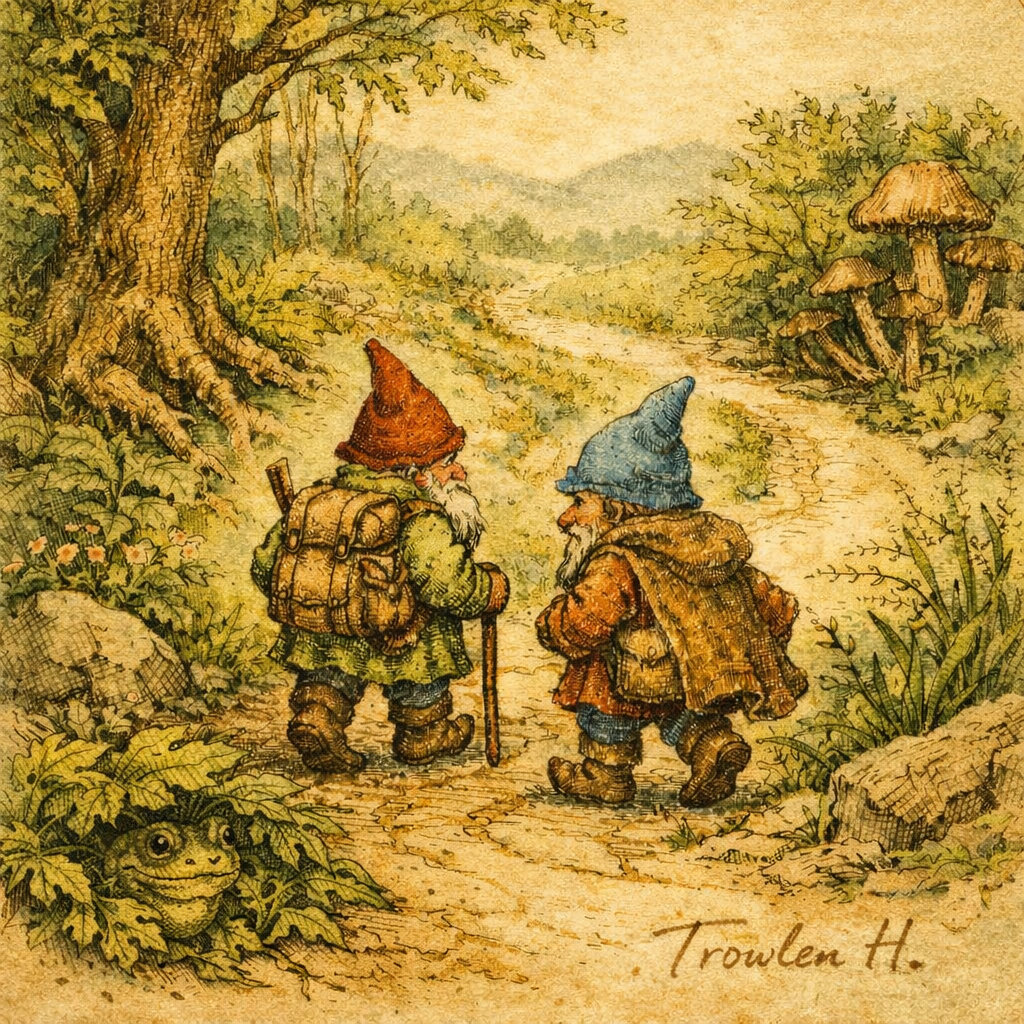
Not everyone can develop friendships like Harry, Ron, and Hermione, or the hobbits found in Tolkien's writings (who were part of the epic "The Fellowship of the Ring"). Or the change of Legolas and Gimli's friendship over the course of The Lord of the Rings. Their relationship develops from enemies to friends who then go on their own travels after the fellowship is dismissed. But one thing that they did not have to deal with was the age of technology and social media, making it exponentially more difficult to develop deep friendships that last.
There are a lot of benefits of deep, long-lasting friendships, and social media is a hindrance to these types of friendships. You can rack up a large number of friends, but are those friends really the type of friendships that actually give you any type of benefit besides a larger ego? Is your value really based on the number of friends, likes, and followers you have on the various social media platforms?
WebMD, in the article "Psychological Benefits of Friendship" points out the benefits of friendships. A deep relationship is proven to boost happiness, reduce stress, improve self-confidence and self-worth, ease the emotional impact of trauma, and provide emotional security.
More research done by the Mayo Clinic emphasises that adults with strong social connections have a lower risk of depression, high blood pressure, and unhealthy weight, and that older adults with close friends live longer than peers with fewer social supports.
And the importance of friendships is brought home with research done by Psychology Today, which suggests that "Friendships help us feel seen, valued, and that we truly matter."
But heavy social media use does the opposite; it hinders the building of high-value friendships. Social media expands networks, but doesn't deepen real relationships. Excessive social media use undermines relationship quality by diminishing emotional intimacy, weakening trust, increasing feelings of isolation, and reducing the quality of even close relationships. Sherry Turkey describes this concept as "alone together." Based on hundreds of interviews, she concludes that technology ramps up, our emotional lives ramp down.
So what does it take to develop deep friendships?
Rabiya Karamali EdD, MAPP, in the article "The Power of Friendships and Feeling That We Matter" found in Psychology Today, gives us one recipe for developing solid friendships.
How We Can Strengthen Mattering in Friendship
Mattering in friendship does come from big gestures. It grows from small and steady signs Here are some ways to nurture mattering in friendships:
- Notice what matters to your friend and return to it. When you remember details someone shared weeks ago—a tough talk, an important meeting, or a family worry—you show that their inner world matters. A simple follow-up shows you care and are paying attention, “I was thinking about what you mentioned last week. How did it go?”
- Reach out in ordinary moments, not only difficult ones. Support during tough times matters, but so do everyday moments. Sharing a photo, a thought, or a quick message says, “You are part of my life, even when nothing is wrong.” These moments keep friendship from being about problems alone.
- Name the specific qualities you appreciate. General praise is nice, but specific recognition feels more meaningful. This is nice: “You are such a good friend." However, the following may mean more: “I really appreciated how you listened yesterday without rushing me, which helped more than you know.” When we give specific appreciation, the person feels valued and sees how they make a difference.
- Communicate trust in who they are, not only what they do. Mattering grows when people feel seen for who they are, not just what they do. A friend knows they are valued for who they are when they hear: “I admire how thoughtful you are with people.” “You bring calm when things feel overwhelming.”
- Allow care to flow both ways. Sometimes, we stop mutual mattering by always being the helper. Letting a friend support us, too, shows trust and closeness. When care goes both ways, both people feel valued and able to give back.
- Create small rituals of connection. Regular walks, voice notes, shared meals, or even short weekly check-ins help keep friendships steady. These routines quietly show that our connection matters and has a place in our lives.

Voices from the swamp
Reader Responses
Thoughtful disagreement is welcome. Harpies, advertisements, and personal attacks will be left outside the marsh.
The frogs are listening, but nobody has spoken yet.
Respond to this rambling
Before feeding the frogs, read the swamp rules
A Word Before You Feed the Frogs
This is Trowlen's swamp, but thoughtful visitors are welcome to pull up a reasonably dry log and disagree with me. You do not need to flatter the troll. You do need to behave like a human being who remembers that another human being is reading.
The Swamp Rules
What the Swamp Saves
When you submit a comment, the site saves the display name, email address, optional website URL, comment text, the rambling you responded to, the submission time, and your acceptance of this policy. The comment receives a random internal identifier and remains private while waiting for moderation.
Your email address is used to identify and review the submission and to make direct contact possible if that becomes necessary. It is not displayed with an approved comment, sold, rented, used for advertising, or added to a mailing list.
If you provide a website URL, it is saved with the private comment record. It is also added to a separate private text file that Trowlen uses as a personal list of websites to visit, read, and possibly respond to. That URL list is independent of the comment archive. Removing a comment does not automatically remove its URL from the private list.
Approved comments publicly display the submitted display name, comment text, submission date, and optional website link. If Trowlen writes a response while approving the comment, that response is displayed with it. Reader website links are marked so search engines know they are user-submitted links.
Disapproved comments are moved into a private archive instead of being published. Pending, approved, and disapproved records are currently retained indefinitely. This allows Trowlen to reconsider an old decision, preserve the history of a conversation, or use a private submission as a future point of reflection. Archived folders may occasionally be removed manually.
The site uses a hidden anti-spam field, submission timing and rate checks, a session-bound security token, and Google reCAPTCHA. reCAPTCHA processes technical information under Google's own privacy policy and terms. The web server may also retain ordinary access and security logs. The comment record itself does not intentionally store your IP address.
The saved information is used only to receive, moderate, publish, answer, secure, and maintain comments; to prevent abuse; and to maintain the private website list described above. It is not sold or shared for behavioral advertising.
If you want a published or privately retained comment removed, use the site's contact page and provide enough information to identify it. I may need to confirm that the request came from the same email address used for the submission.
By checking the policy box and submitting a comment, you confirm that you have read and accepted these rules. In shorter Trowlen terms: disagree freely, speak honestly, leave the harpy costume at home, and remember that the frogs are listening.